
Priya Ramaswamy
Co-Founder & CEOLed automation engineering at a regional 3PL before founding Anvil, after watching one too many automation projects get stranded by a layout change.
Our Story
Anvil started with a specific frustration: warehouse automation that only worked as long as nothing about the warehouse changed.
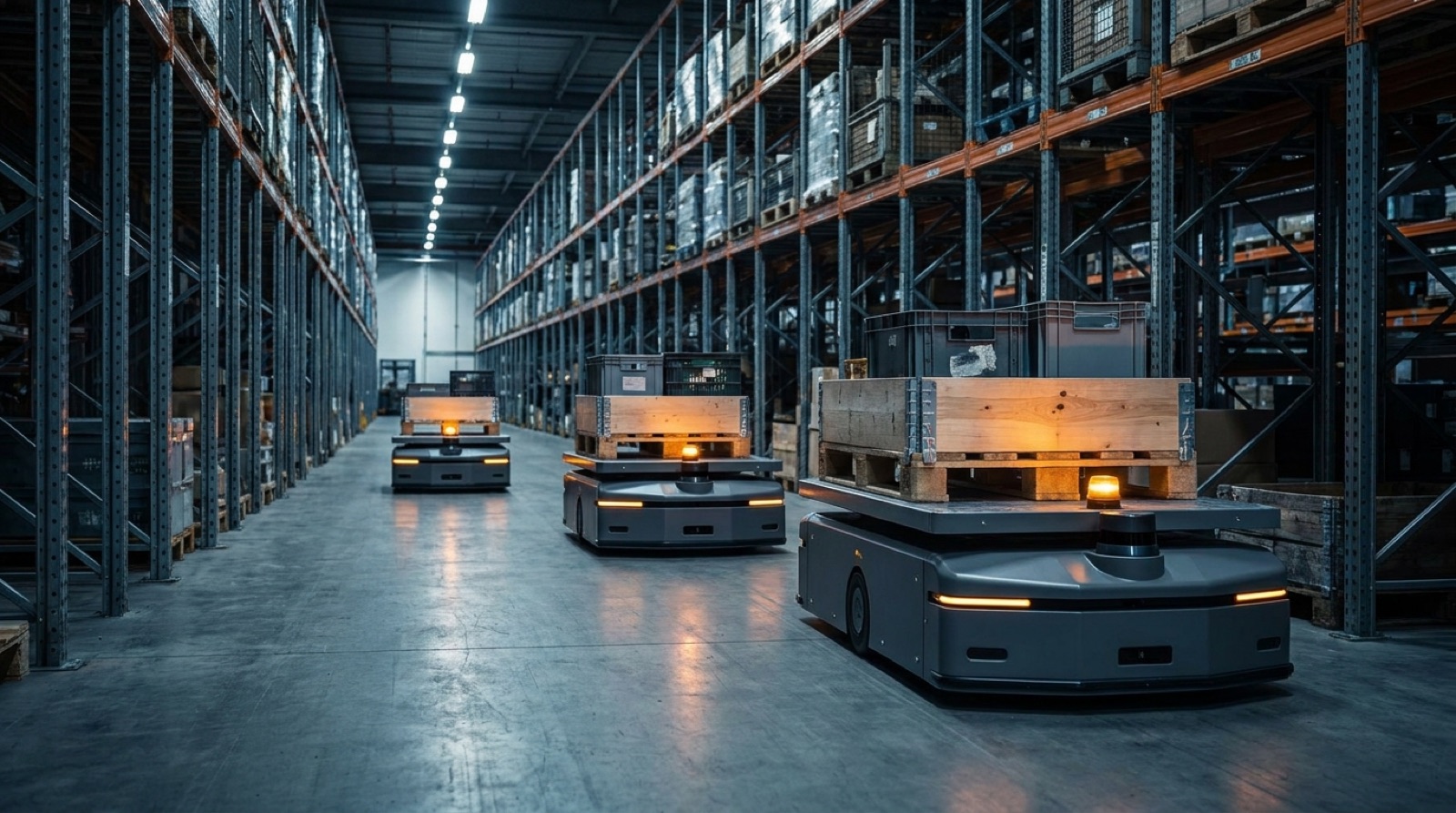
Before Anvil, its three founders spent years installing and maintaining conveyor systems and rail-guided AGVs for regional distribution operations. The pattern repeated at every site: a six-figure automation investment worked well on day one, then turned into a six-figure liability the moment a client needed to reroute a pick path, add a new SKU zone, or reconfigure a line.
The infrastructure was the problem. Rails, magnetic tape, and fixed reflectors meant the warehouse had to be built around the automation instead of the other way around. Anvil's founding bet was simple: build a robot that reads the floor it's actually standing on, and let the floor keep changing.
The first AR-600 went live at a regional 3PL in 2019 moving pallets on a single night shift. The fleet has grown one honest deployment at a time since — distribution centers, manufacturing lines, and cold storage floors that needed a robot to adapt to them, not the reverse.
What We Hold To
A robot with an impressive feature list that's offline half the shift isn't automation — it's a liability with a charging cable. We build and measure for uptime first.
No ripped-up floors, no rerouted conveyors, no facility shutdown to install. If a deployment disrupts operations, we haven't done our job.
Every spec on our sheet is a number we've measured in a live facility, not a lab estimate. If we haven't tested it under load, it isn't published.
Leadership
Anvil is engineering-led by design — the people who set direction are the same ones who've stood on a warehouse floor at 2 a.m. debugging a route.
Led automation engineering at a regional 3PL before founding Anvil, after watching one too many automation projects get stranded by a layout change.
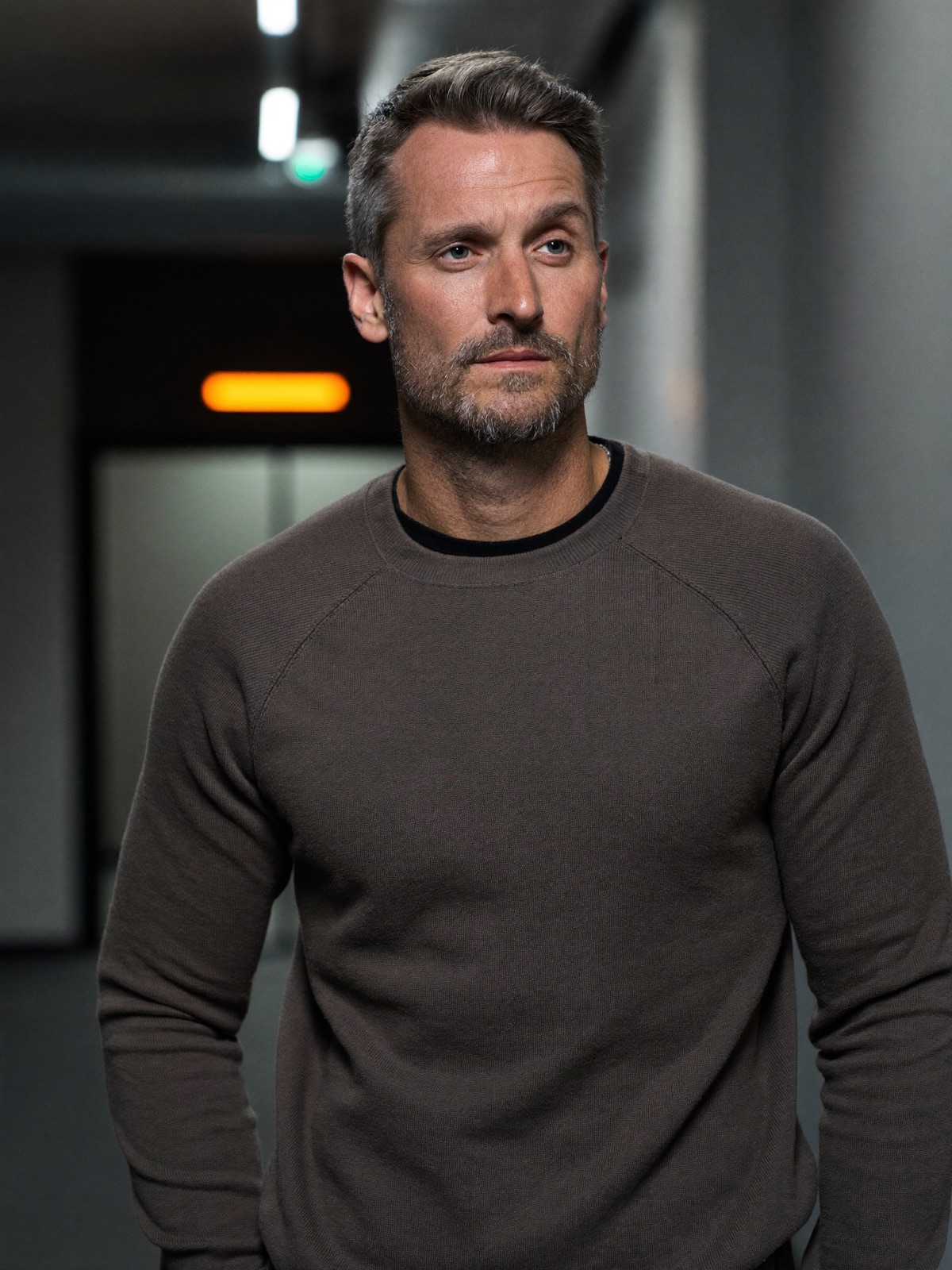
Built the perception and SLAM stack that lets the fleet map and navigate a facility without fixed infrastructure. Still writes navigation code.
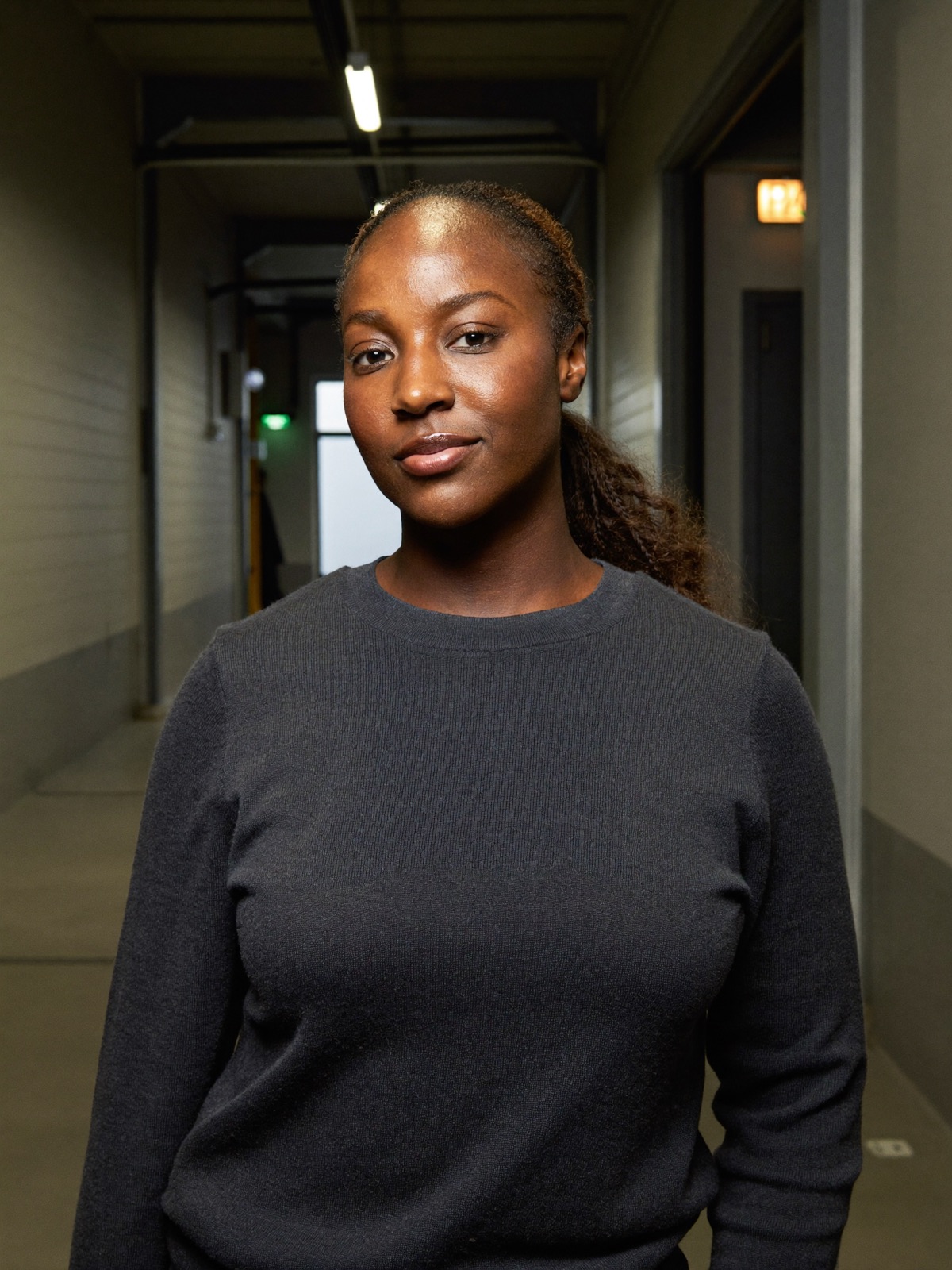
Ran industrial engineering for a manufacturing plant before joining Anvil to lead the team that gets every fleet live on schedule.
The Mission
Every facility Anvil deploys into is a little different, and it stays that way after the robots arrive. We think that's the correct default, not an edge case to design around.
Come See The Fleet
Deployment engineers, not a sales queue, take your first call.